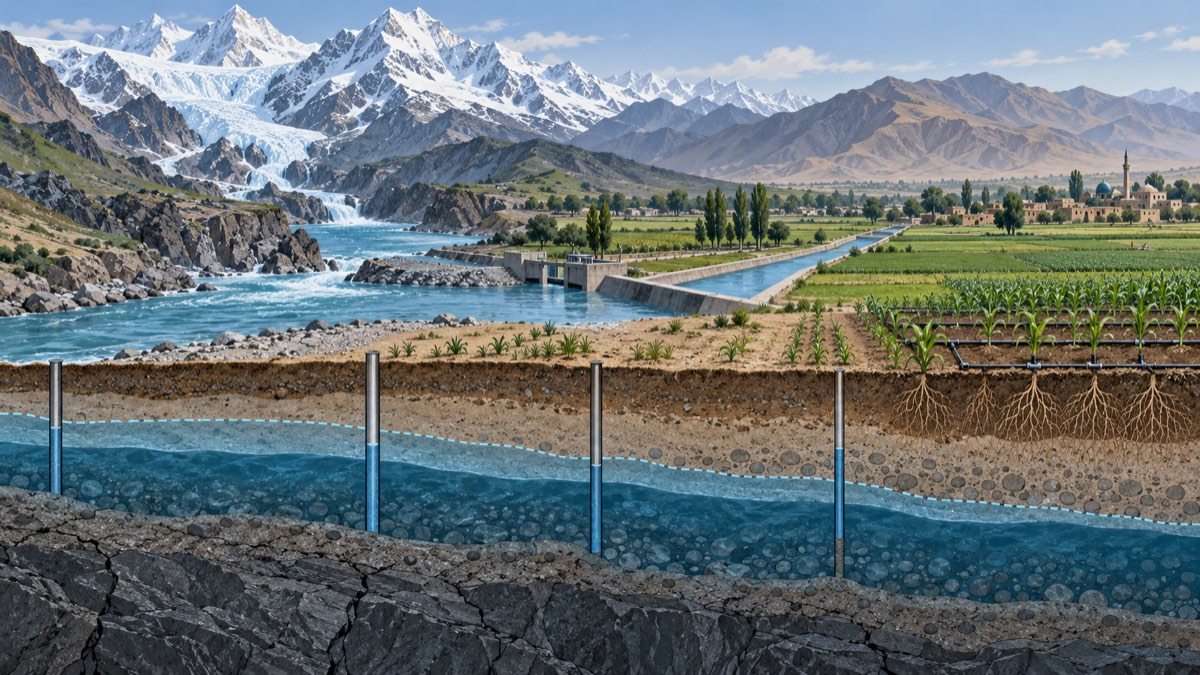
Better measurement and efficient irrigation would turn a recurring emergency into a manageable national plan
Pakistan's water debate often becomes loud only when reservoirs fall, canals run short or floods damage homes and crops. That cycle leaves the country reacting to each emergency instead of managing water as a limited resource throughout the year. A credible national water budget would be a practical place to start.
Such a budget would track how much water enters the system, where it is stored, how much is withdrawn and what is lost before reaching farms, factories and households. The same discipline must cover groundwater. Tubewells have helped agriculture and cities grow, but unchecked pumping can lower water tables and raise the cost of access for everyone. Decisions remain weak when reliable local data are missing or arrive too late.
Agriculture is the largest user, so improving irrigation would have the greatest effect. Lining selected watercourses, using laser land levelling, expanding drip irrigation where it suits the crop and publishing delivery data can reduce avoidable losses. Farmers also need forecasts early enough to adjust planting decisions. Conservation cannot rest on households while major distribution losses continue elsewhere.
Pakistan should also protect recharge areas, treat wastewater for safe reuse and make provincial water data easier to compare. None of these measures produces the drama of a new dam announcement, but together they would improve day-to-day resilience. The aim is not to eliminate every shortage. It is to know the size of the problem early, allocate water openly and reward users who obtain more value from each unit consumed.
Reporting sources
- Business Recorder opinion on water security dated 1 October 2026
- Pakistan Institute of Development Economics groundwater policy paper
- Ministry of Planning statement on water security
Prepared as an editorial demonstration. A human editor should verify the article before publication.